Church bells have long been an integral part of Christian worship, marking prayer times, calling the faithful to gather, and signaling important events. Over centuries, the way these bells are operated has evolved dramatically from manual ringing to fully automated systems powered by modern technology. This transformation reflects the broader shift toward efficiency, precision, and innovation in liturgical technology.
In the early days, church bells were rung manually by dedicated bell ringers. This required physical effort, coordination, and precise timing. In many communities, ringing the bell was considered both a duty and an honor. However, manual systems had limitations. They depended heavily on human availability and accuracy, which sometimes led to inconsistencies in timing, especially for early morning or late-night services.
As technology progressed, semi-automated mechanisms began to emerge. Mechanical clock-based systems were introduced to assist in ringing bells at fixed intervals. These systems reduced the burden on individuals and ensured more consistent scheduling. However, they still required regular maintenance and lacked flexibility in adjusting timings for special occasions or seasonal changes.
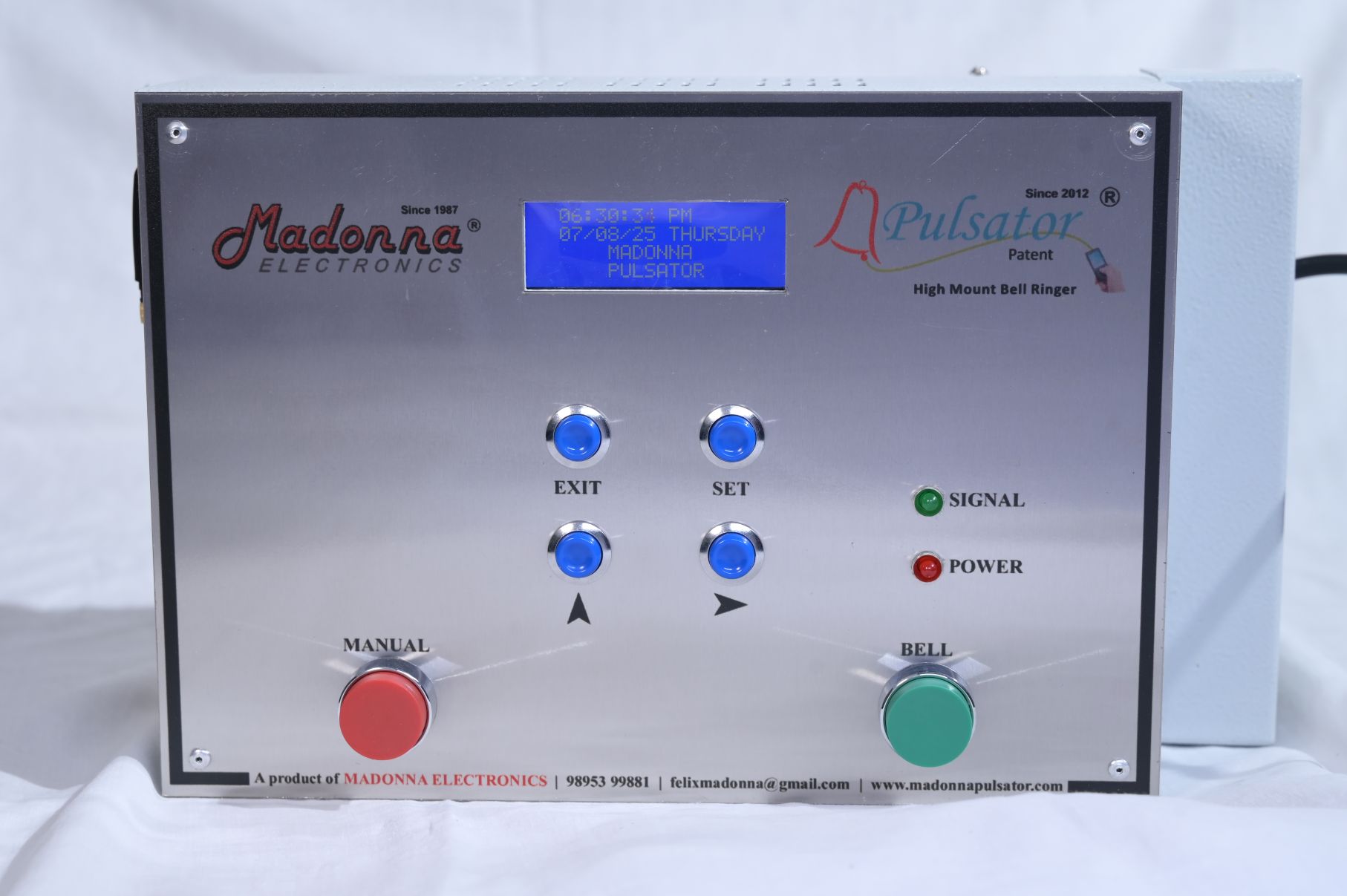
The real transformation came with the introduction of the automatic church bell system. These systems use electronic timers, programmable controls, and digital interfaces to automate bell ringing with high precision. Churches can now schedule multiple prayer times, special events, and custom ringing patterns without manual intervention. This innovation has significantly improved reliability and reduced dependency on human resources.
Modern church automation solutions go beyond simple bell ringing. They integrate various aspects of church operations, including lighting, sound systems, and announcements. With centralized control, church administrators can manage multiple functions seamlessly, enhancing the overall worship experience. These systems are particularly beneficial for large churches and institutions with complex schedules.
Another important advancement is the digital prayer system, which allows for synchronized audio playback of prayers, hymns, or bell sounds. This is especially useful in communities where traditional bell ringing may not be feasible due to noise restrictions or logistical challenges. Digital systems ensure that the essence of worship is preserved while adapting to modern constraints.
Interestingly, the technology behind church automation has also influenced other sectors, such as education. School bell automation systems use similar principles to manage class schedules, breaks, and announcements. This crossover highlights the versatility and efficiency of automated timing solutions in different environments.
Today, liturgical technology continues to evolve with the integration of smart features such as remote control via mobile apps, cloud-based scheduling, and energy-efficient designs. These innovations allow churches to operate more efficiently while maintaining their traditions. Automation also ensures that services run smoothly, even in the absence of dedicated personnel.
In conclusion, the evolution of church bells from manual to automated systems represents a blend of tradition and technology. While the purpose of the bells remains the same—calling people to worship—the methods have adapted to meet modern needs. By embracing automatic church bell systems and advanced church automation solutions, churches can preserve their heritage while benefiting from the convenience and precision of modern liturgical technology.