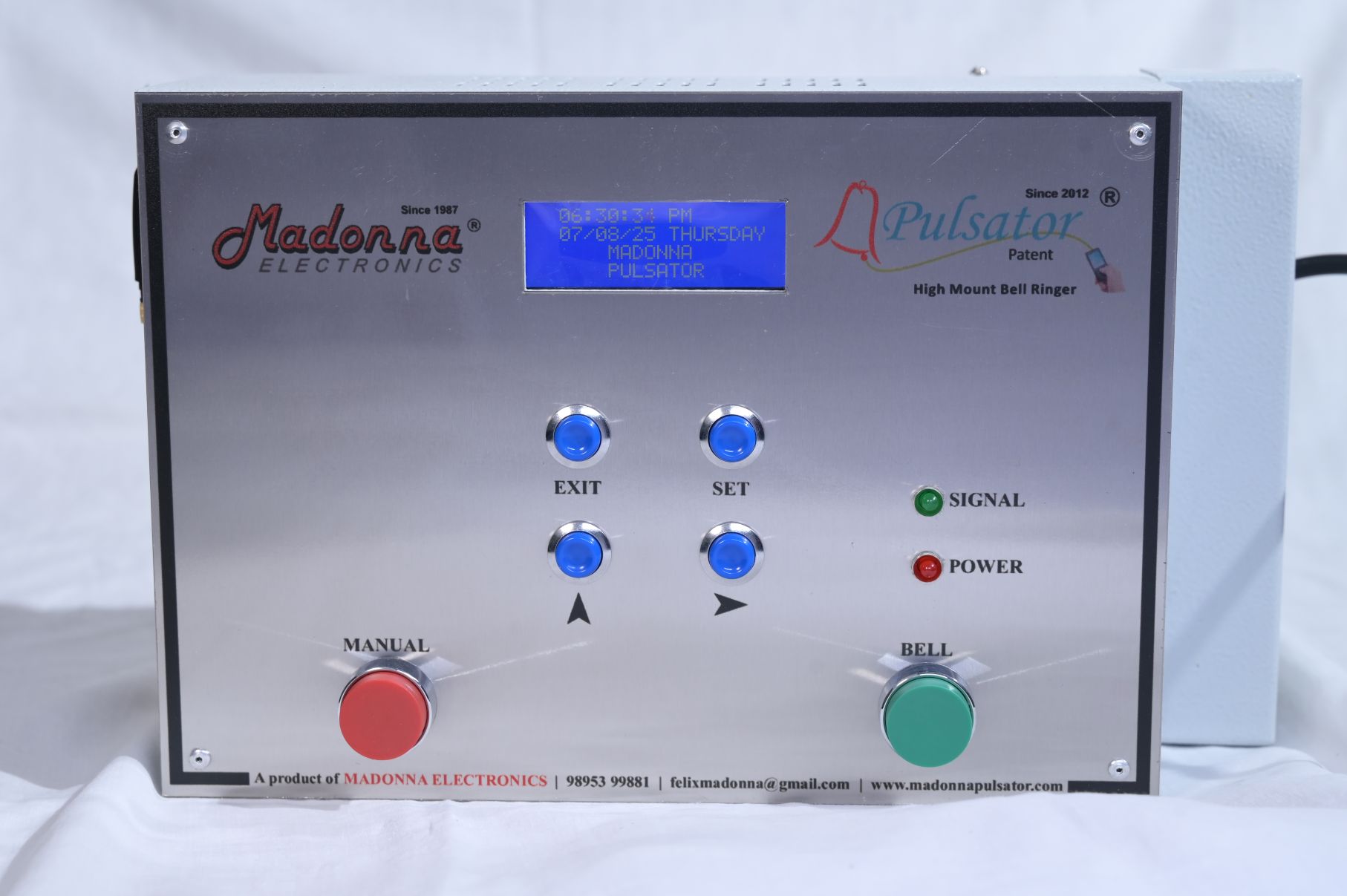
Bell ringing has long been an essential part of Christian worship, serving as a spiritual call to prayer and a signal of sacred time. Across centuries, church bells have marked important moments such as Mass, Angelus prayers, weddings, and funerals. The timing of these bells is not random; it holds deep liturgical meaning and plays a vital role in maintaining order, discipline, and connection within the faith community. Today, with the help of automatic church bell systems and advanced liturgical technology, churches are preserving this tradition with greater precision and consistency.
One of the primary reasons bell timing is so important is its role in calling the faithful to worship. Historically, church bells were the only way to communicate service times to the surrounding community. Precise timing ensured that people could gather for prayer without confusion. Even today, the sound of a bell ringing at the right moment creates a sense of readiness and reverence, guiding worshippers into a spiritual mindset.
Bell timing is also deeply connected to structured prayer routines. Practices such as the Angelus are traditionally observed at specific times of the day morning, noon, and evening. Accurate timing ensures that these prayers are offered in unity across the community. With modern digital prayer systems, churches can maintain this discipline effortlessly, ensuring that no important moment is missed.
Another important aspect is the role of bells in marking sacred events and transitions. From the beginning of a service to the consecration during Mass, bells signal key moments that hold theological significance. Consistent timing enhances the worship experience, helping congregants stay engaged and aware of the progression of the service. This is where church automation solutions play a crucial role, ensuring that every bell rings exactly when it should.
In addition, precise bell timing promotes order and punctuality within church operations. Similar to school bell automation systems that regulate schedules in educational institutions, automated church bells help maintain a disciplined environment. Services start and end on time, events are well-coordinated, and there is a smooth flow of activities throughout the day. This is especially beneficial for churches that conduct multiple services or manage large congregations.
Modern liturgical technology has further enhanced the importance of timing by introducing features such as programmable schedules, seasonal adjustments, and remote control. These advancements allow churches to align bell ringing with the liturgical calendar, automatically adapting to special seasons like Lent, Easter, or Christmas. This not only preserves tradition but also ensures accuracy without requiring constant manual effort.
Moreover, consistent bell timing strengthens the sense of community and shared experience. When bells ring at the same time every day, they create a rhythm that connects individuals, even beyond the church walls. It serves as a reminder of faith in daily life, encouraging people to pause and reflect, no matter where they are.
In conclusion, bell timing is a cornerstone of Christian worship traditions, symbolizing order, unity, and devotion. With the adoption of automatic church bell systems, digital prayer systems, and advanced church automation solutions, churches can uphold this sacred practice with unmatched precision. Solutions like those offered by madonnapulsator help churches integrate tradition with modern efficiency through accurate scheduling, automation, and reliable performance, ensuring that every bell rings at the perfect moment to enrich the spiritual experience.