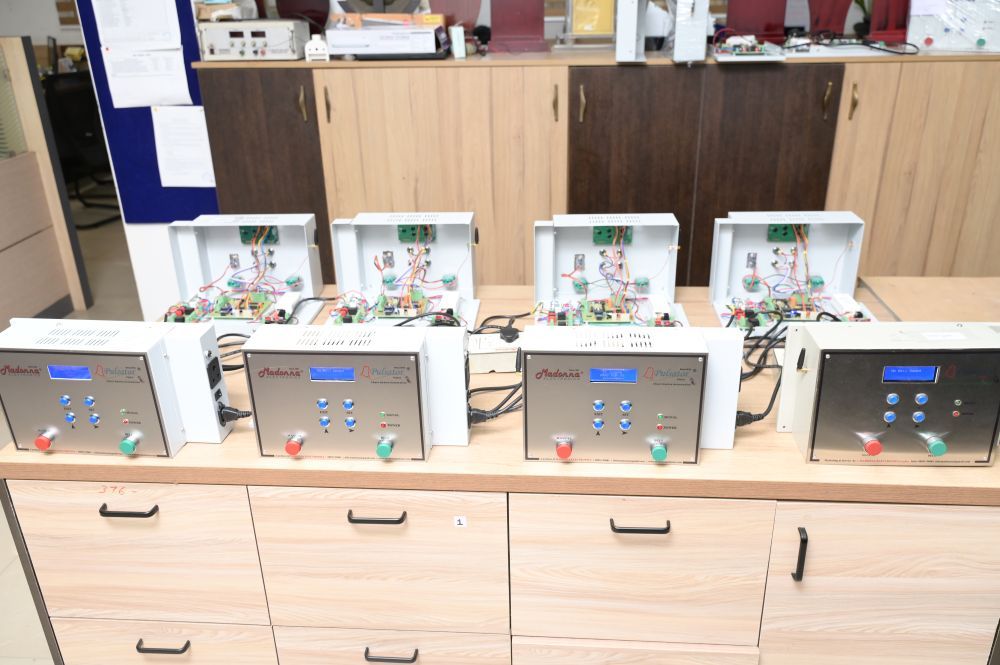
In today’s fast paced world, churches are increasingly turning to church automation solutions to manage their daily activities more efficiently. From coordinating prayer schedules to organizing events, automation plays a crucial role in improving time management while maintaining the sanctity of worship. Technologies such as the automatic church bell system, digital prayer system, and other forms of liturgical technology are helping churches streamline operations and focus more on spiritual growth.
One of the most significant advantages of automation is precision in scheduling. Traditional methods often rely on manual coordination, which can lead to delays or inconsistencies. With an automated system, bells ring, prayers begin, and announcements play exactly at the scheduled time. An automatic church bell system ensures that services start and end punctually, creating a disciplined and organized worship environment. This consistency is especially important for churches that conduct multiple services throughout the day.
Automation also helps reduce the workload on church staff and volunteers. In many churches, managing daily routines such as ringing bells, playing hymns, and making announcements requires dedicated personnel. By implementing a digital prayer system, these repetitive tasks can be handled automatically, freeing up valuable time for clergy and staff to focus on pastoral care, community engagement, and spiritual leadership. This not only improves productivity but also enhances the overall efficiency of church operations.
Another key benefit is the ability to plan and manage events effectively. Churches often host various activities such as Mass, prayer meetings, weddings, and community gatherings. Automation allows administrators to pre-schedule all these events in advance, ensuring smooth execution without last-minute confusion. Similar to school bell automation, which maintains strict timing in educational institutions, church systems help maintain order and punctuality across all activities.
Modern liturgical technology also offers remote access and control, enabling church administrators to manage schedules from anywhere. Whether it’s updating prayer timings or adding special announcements, everything can be done through a mobile device or computer. This flexibility is particularly beneficial for large churches or those with multiple branches, as it eliminates the need for constant physical presence.
In addition, automation enhances communication and coordination within the church. Integrated systems can play pre-recorded messages, reminders, and devotional content at specific times, ensuring that the congregation stays informed and engaged. This reduces the need for manual announcements and minimizes the chances of miscommunication.
Automation also contributes to long term time and cost efficiency. While the initial setup may require investment, the reduction in manual labor and improved operational efficiency result in significant savings over time. Moreover, automated systems are designed for reliability, reducing downtime and ensuring uninterrupted service.
The automation is transforming how churches manage their time and activities. By adopting tools like automatic church bell systems, digital prayer systems, and advanced church automation solutions, institutions can achieve greater accuracy, efficiency, and organization. Solutions offered by platforms like madonnapulsator showcase how modern automation can seamlessly integrate with traditional worship practices, helping churches save time while enhancing the spiritual experience for their communities.