Religious institutions are increasingly embracing modern technology to improve efficiency, enhance worship experiences, and better connect with communities. From smart scheduling systems to AI-powered worship tools, the future of automation in churches and temples is evolving rapidly. Technologies such as the automatic church bell system, intelligent lighting, and cloud-based management platforms are becoming essential for modern places of worship.
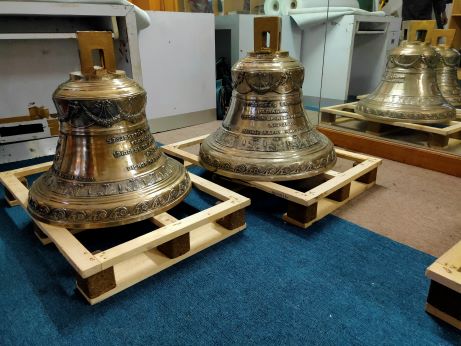
One of the biggest trends shaping the future is the adoption of integrated church automation solutions. These systems help automate daily operations such as bell ringing, prayer timings, announcements, lighting control, attendance management, and event scheduling. Automation reduces manual work while ensuring accuracy and consistency in religious activities. Many churches and temples are now using centralized digital systems that can be controlled remotely through mobile apps or cloud platforms.
Another major development is the rise of the digital prayer system. Modern worship spaces are integrating digital audio systems, LED displays, live streaming, and mobile applications to improve spiritual engagement. Hybrid worship models are becoming more common, allowing devotees to participate both physically and virtually. Technologies such as AI-powered translation, automated subtitles, and virtual worship tools are helping religious organizations reach wider audiences across different languages and regions.
Artificial intelligence and IoT (Internet of Things) are also influencing the future of liturgical technology. Smart sensors can monitor equipment performance, while AI systems can automate scheduling and maintenance alerts. Digital bell systems now offer programmable timing, remote access, energy optimization, and predictive maintenance features. These innovations help institutions maintain traditional practices while benefiting from modern convenience and reliability.
Temples are also moving toward fully digital management systems. Smart temple management platforms now handle donations, devotee records, queue management, accounting, and event coordination digitally. Contactless payments and self-service kiosks are improving transparency and visitor convenience. These technologies not only simplify administration but also enhance the overall spiritual experience for devotees.
Automation trends are extending beyond worship spaces into educational and institutional environments through school bell automation systems. Schools, seminaries, and religious educational institutions are increasingly using automated bell systems to manage schedules efficiently. These systems reduce human error, improve time management, and ensure smooth daily operations.
Despite rapid digitalization, religious leaders continue to emphasize the importance of balancing technology with spiritual authenticity. Discussions across faith communities show that automation should support worship rather than replace personal connection and traditional values.
As churches and temples continue to modernize, investing in reliable automation systems has become essential for operational efficiency and community engagement. Madonna Pulsator offers advanced automation technologies including automatic church bell system solutions, smart scheduling systems, and innovative worship automation products designed for modern religious institutions. Their expertise in church automation solutions and liturgical technology helps churches, temples, and educational institutions embrace the future with confidence.