Modern school bell automation systems are redefining how educational institutions and religious campuses manage time, communication, and daily operations. By replacing traditional manual bell ringing with intelligent, automated technology, these systems bring accuracy, efficiency, and consistency to structured environments where timing is critical.
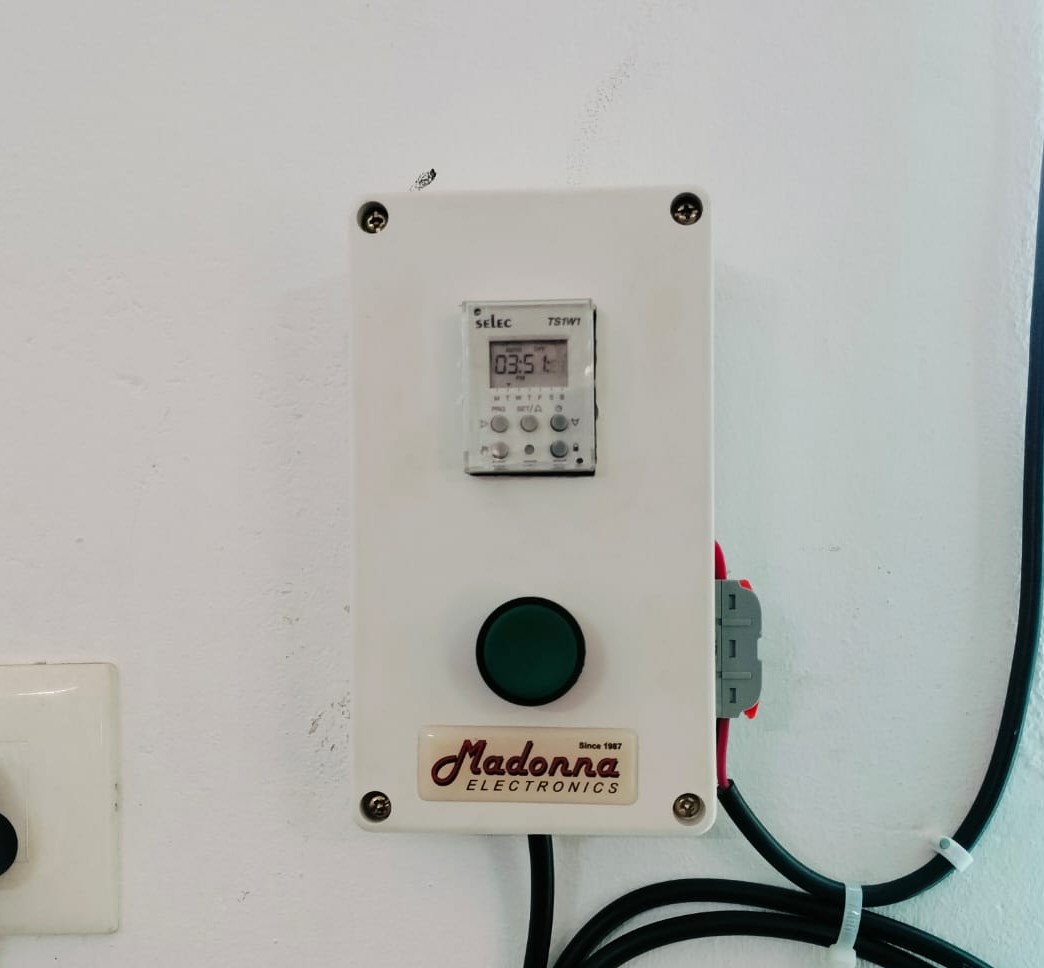
At the core of school bell automation is the ability to schedule and control bell timings with precision. Administrators can pre-program daily routines, including class periods, breaks, assemblies, and special events. Once configured, the system operates automatically without requiring manual intervention, ensuring that every bell rings at the exact scheduled time. This eliminates delays and inconsistencies, helping maintain discipline and improving overall campus productivity.
Another major advantage is flexibility. Modern systems allow multiple schedules to be created and adjusted easily. Schools can switch between regular timetables, exam schedules, holiday timings, or event-specific routines with just a few clicks. This adaptability is equally valuable in religious settings where church automation solutions are used to manage varying service times, festivals, and special occasions.
In addition to time management, these systems enhance communication across the campus. Many automated bell systems support pre-recorded audio, enabling institutions to broadcast announcements, music, or alerts along with bell sounds. In religious environments, this feature integrates seamlessly with a digital prayer system, ensuring timely prayer calls and maintaining spiritual discipline. This combination of functionality reflects the growing role of liturgical technology in modern institutions.
Centralized and remote control capabilities further improve efficiency. Administrators can manage the entire system from a single interface, often accessible via computers or mobile devices. This means updates and changes can be made instantly from anywhere, reducing dependency on on-site personnel and ensuring uninterrupted operation. For large campuses with multiple buildings, this centralized approach ensures synchronized bell ringing, eliminating confusion and improving coordination.
Automation also significantly reduces administrative workload. Staff members no longer need to monitor time or operate bells manually, allowing them to focus on more important responsibilities. At the same time, automated systems minimize human error, ensuring reliable and consistent performance every day.
Energy efficiency is another important benefit. Modern bell systems are designed to optimize power usage by automatically controlling connected devices such as amplifiers and speakers. This not only reduces energy consumption but also lowers operational costs over time, making it a cost-effective investment for institutions.
Safety and emergency readiness are also enhanced with automated systems. Many solutions include features for emergency alerts, enabling quick communication during critical situations such as fire drills or lockdowns. This adds an extra layer of security and preparedness to campus operations.
In conclusion, modern school bell automation systems go beyond simple bell ringing to become comprehensive time and communication management tools. Whether implemented in schools or as part of an automatic church bell system, these solutions improve efficiency, ensure discipline, and support seamless coordination. By integrating advanced church automation solutions and liturgical technology, institutions can create a more organized, responsive, and technologically advanced environment that meets the demands of today’s fast-paced world.