In an era driven by innovation, churches around the world are embracing smart church technology to enhance both spiritual experiences and operational efficiency. The integration of automation into worship spaces is no longer a luxury, it is becoming a necessity. From the automatic church bell system to advanced digital prayer systems, technology is reshaping how religious institutions function while preserving their sacred traditions.
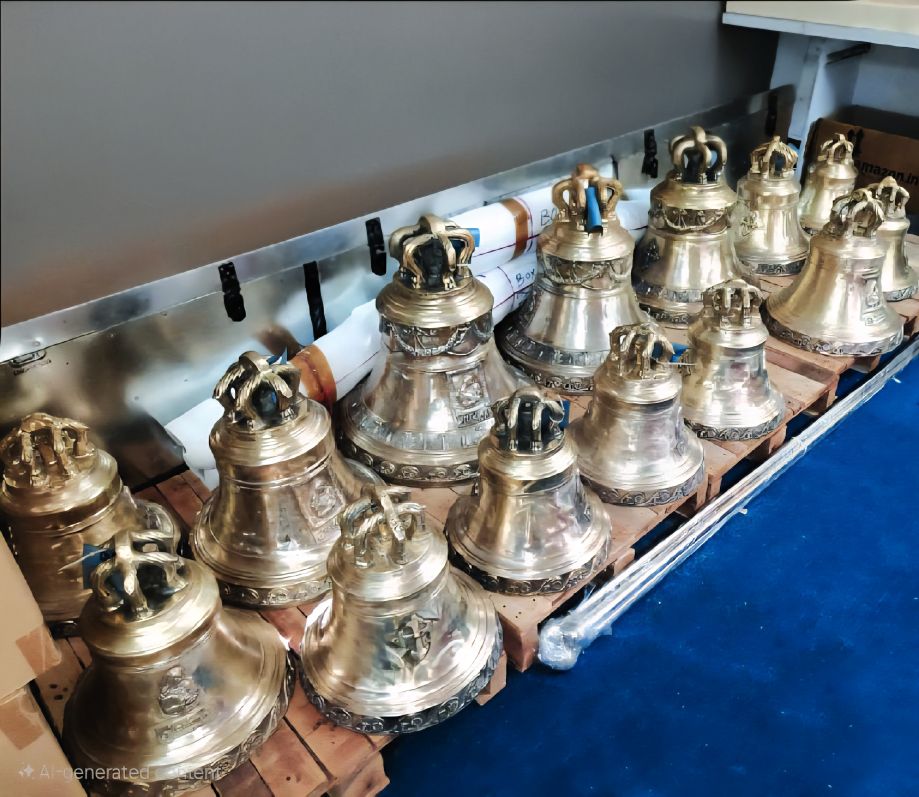
One of the most transformative elements of modern worship is the automatic church bell system. Traditionally, bells required manual operation, often relying on dedicated personnel to maintain strict schedules. Today, automation allows churches to program bell timings with precision, ensuring that prayers, masses, and special services begin without delay. This level of accuracy creates a disciplined and harmonious environment for worshippers.
Beyond bell ringing, church automation solutions now cover a wide range of functions. Smart systems can manage lighting, audio, announcements, and even hymn playback. With a digital prayer system, churches can schedule devotional content, ensuring that prayers and hymns are delivered consistently and without interruption. This not only reduces manual effort but also enhances the overall worship experience by maintaining a smooth flow of activities.
Another key advantage of Smart Church technology is efficiency and time management. Clergy and church staff often juggle multiple responsibilities, and automation helps reduce their workload by handling repetitive tasks. This allows them to focus more on spiritual guidance, community engagement, and pastoral care. By minimizing human intervention in routine operations, churches can function more effectively.
Reliability and consistency are also major benefits. Manual processes are prone to errors, delays, or oversight, especially during busy schedules or special occasions. In contrast, automated systems operate with precision once programmed. Whether it’s early morning prayers or late night services, smart systems ensure that every activity runs on time, strengthening the trust and engagement of the congregation.
The influence of automation extends beyond churches. School bell automation systems, for example, use similar technology to maintain discipline and structured schedules in educational institutions. This crossover demonstrates the versatility and reliability of automation in managing time-sensitive environments.
The rise of liturgical technology highlights how innovation can coexist with tradition. Rather than replacing spiritual practices, technology enhances them by creating a peaceful, organized, and distraction free atmosphere. Worshippers can focus entirely on prayer and reflection, while the system quietly manages the logistics in the background.
Another important feature of smart church technology is flexibility and scalability. Churches can easily update schedules for festivals, special events, or seasonal changes. Whether it’s Christmas celebrations, Easter services, or local feasts, adjustments can be made quickly without technical complexity. This adaptability ensures that churches remain relevant and responsive to the needs of their communities.
In conclusion, smart church technology represents the future of worship automation by blending innovation with faith. From automatic church bell systems to comprehensive church automation solutions, these advancements bring efficiency, reliability, and enhanced spiritual experiences. Companies like Madonna Pulsator are at the forefront of this transformation, offering cutting-edge tools such as digital prayer systems and smart scheduling solutions. As more institutions adopt liturgical technology and school bell automation, worship spaces will continue to evolve into more organized, accessible, and spiritually enriching environments.